


Why we believe IRS Notice 2026-62 doesn't apply to the Cache Exchange Funds
Published Updated

Srikanth Narayan
Founder and CEO
On September 28, 2026, Treasury and the IRS published Notice 2026-62 alongside Revenue Ruling 2026-20. The notice covers a wide range of ETF and fund strategies, and only one short section describes exchange funds. Even so, many investors have asked whether it affects the Cache Exchange Funds. In Part 2 of his conversation with Brent Sullivan on The Albatross, Cache CEO Srikanth Narayan explains why we believe it doesn't, and how exchange funds have long worked.
What's in the video
- 0:07 Filling the last few gaps. Why the last few percentage points of a benchmark are the hardest to fill.
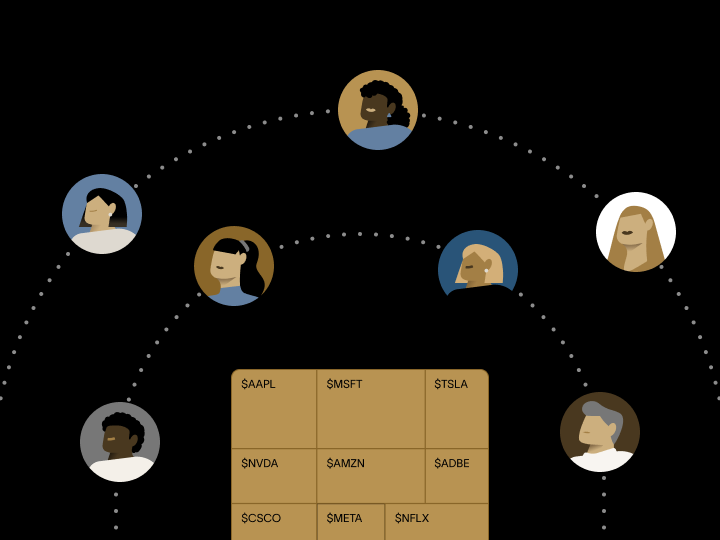
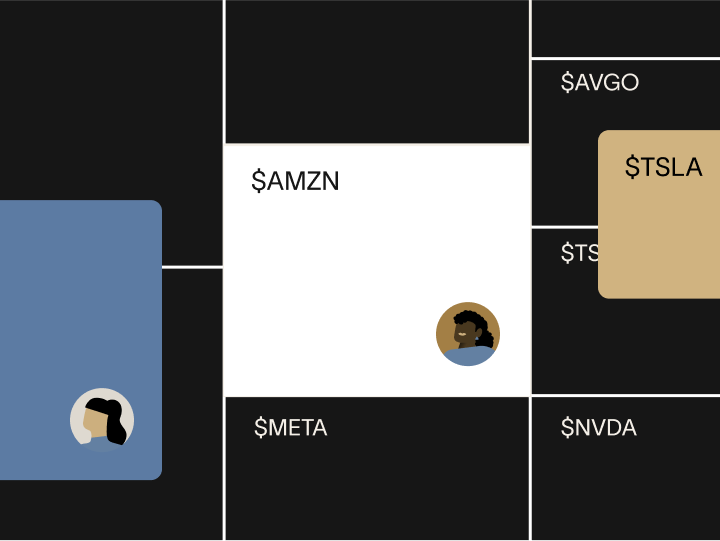
- 0:41 A basket of baskets. How hundreds of investors, each contributing a diversified basket, form an ETF that mirrors the index.
- 1:15 What Treasury is targeting. Revenue Ruling 2026-20 and assets swapped out through section 852(b)(6).
- 1:32 How Cache is different. Why pooling diversified baskets is a long-established practice.
- 2:02 Deferred, not eliminated. What happens to your cost basis.
- 2:18 Why we paused. Cache's optional Index Sync tool, and why it is paused for now.
- 2:52 Abusive, not routine. Where the line belongs.
What the ruling targets
Revenue Ruling 2026-20 targets one specific sequence: stock goes into a brand-new ETF and, as planned from the start, gets swapped back out under section 852(b)(6), without the ETF paying tax. It's a different structure from a traditional exchange fund, and our explainer on exchange funds vs. 351 ETF conversions walks through how the two compare.
Exchange funds have pooled already-diversified baskets of stock for decades. Treasury adopted the rule that allows it in 1996, when it said that "combinations of already diversified portfolios are not inconsistent with the purposes of section 351(e)." Cache's optional Index Sync tool contributes diversified baskets to newly launched ETFs alongside hundreds of unrelated investors. It doesn't rely on 852(b)(6) to achieve its results, and our funds would get substantially the same diversification even if 852(b)(6) didn't apply. We set out the full background when the notice came out, in our article on how Index Sync differs from the ETF swaps under IRS review.
What tax experts have said
Sullivan & Cromwell
We asked Jeffrey Hochberg, a tax partner at Sullivan & Cromwell, to explain in plain terms whether the IRS guidance applies to our funds' use of Index Sync. Sullivan & Cromwell is counsel to Cache. The firm's conclusion:
"In our view, the ETF contributions made by Cache's exchange funds should fall outside the scope of the [Revenue Ruling 2026-20] and the portion of the [IRS Notice 2026-62] that discusses exchange funds."
Their reasoning comes down to one rule. The IRS is concerned about stock put into a new ETF as part of a plan to swap it back out tax-free under section 852(b)(6). Our funds don't rely on that rule to get their results, and the rest of the structure follows long-established tax planning methods.
Read the Sullivan & Cromwell summary
Tax Alpha Insider
Brent Sullivan also published his own analysis on Tax Alpha Insider, concluding that the "exchange fund variant" "isn't likely a problem in isolation." His argument turns on the word "plan." He draws a line between routine ETF seedings, where contributed stock lands in the ETF and mostly stays put, and aggressive ones that reshape the portfolio within days. Tax Alpha Insider isn't affiliated with Cache, and Cache didn't compensate Brent for his analysis or for the podcast.
Where we stand
We spent 18 months on research before launching Index Sync, and K&L Gates gave us written tax and regulatory opinions before our first contribution. Our help centre explains how we vetted Index Sync. On October 19, we filed comments with Treasury and the IRS: you can read the Cache comment letter and our counsel's K&L Gates comment letter.
Index Sync remains paused while we wait for guidance; we'd rather wait for clear guidance than get ahead of it. The Cache Exchange Funds continue to accept new investors approximately every two weeks.
Read more
Exchange fund vs. ETF: the different ways each one diversifies.
The full conversation: listen to Part 2 on Spotify, or watch the Part 1 video on how exchange funds are built.
Excerpts edited for length from Parts 1 and 2 of the conversation. Illustrative only. This page is for informational purposes only and is not tax, legal, or investment advice. Views on tax rules are Cache's own and do not guarantee any tax outcome. Exchange funds defer taxes; they do not eliminate them. Index Sync is an optional portfolio management tool and is currently paused. Cache Exchange Funds are available only to accredited investors or qualified purchasers. All investments carry risk, including loss of principal. Please consult your tax advisor about your situation. Brent Sullivan and Tax Alpha Insider are not affiliated with Cache, and Cache did not compensate them for this content. Sullivan & Cromwell LLP is counsel to Cache; its summary is general information for Cache's investors and is not tax advice to any individual investor.
The Cache Exchange Fund can help.



Make better decisions for managing your large stock positions.
Sign up to receive all our insights and data.