





A More Modern Take on Exchange Funds — Jonathan’s Path to Diversifying Microsoft Stock

Jonathan
Engineer, former Microsoft · Client

Nine years at Microsoft (MSFT) turned compensation from salary into equity, and equity into real wealth. Microsoft was an excellent stock to own.
"Microsoft has a lot of upsides to it," he says.
The sabbatical
Jonathan treated diversification like a research project. At one point, he stepped away from work entirely to study his options.
"I actually took a bit of a sabbatical from work and really dove deep into finances," he says.
His first conclusion was uncomfortable.
"Initially, I was looking into taking a huge tax bill and watching a lot of the gains and appreciation I had made just vanish overnight."
Selling solved concentration immediately.
That pushed him toward exchange funds.
Why traditional funds felt out of reach
"They want a very large, large, large position in the millions upon millions of dollars to be considered," he says. "And they had significantly higher fees."
So he asked a broader question: whether exchange funds themselves were the issue, or whether the delivery model was outdated.
"I thought, hey, I wonder, is there more modern takes on this?" he says. "Is someone else doing this besides some of the very large players, the big financial names we've all heard of?"
Finding Cache
"By random chance looking around the internet, I found Cache and started digging into it," Jonathan says.
The differences were structural.
"There's much lower rates here for what they charge," he says.
The minimums were the other barrier.
"A lot of the other funds want in the orders of millions or five million dollars of stock positions," he says. "And that was just a no-go for a lot of folks like me."
He's careful to contextualize that.
"Yes, I've been in engineering in the Valley for a long time, but I don't have that amount of concentrated stock," he says. "I'm not an early joiner or vice president somewhere."
Jonathan verified everything he could. Documentation, regulatory status, leadership backgrounds, direct conversations.
"I reached out and said, hey, are you looking for Microsoft stock? Hey, what is your background? What are your documents? Can you send me over details?" he says. "I dove into what is their previous experience."
He confirmed the fund was managed through a third party with succession planning in place.
Committing
Once the diligence was done, Jonathan moved quickly.
"Once I make my mind up on something I commit pretty quick," he says. "I was just like, how do I transfer stuff over? How do we make sure this is set up correctly?"
He's been invested for over a year.
He doesn't present it as a light decision. "Obviously it's a seven year commitment," he says. "So it's not to be taken lightly."
What he hears from others
Jonathan has become an informal reference for peers considering diversification. The most common feedback isn't skepticism. It's hindsight.
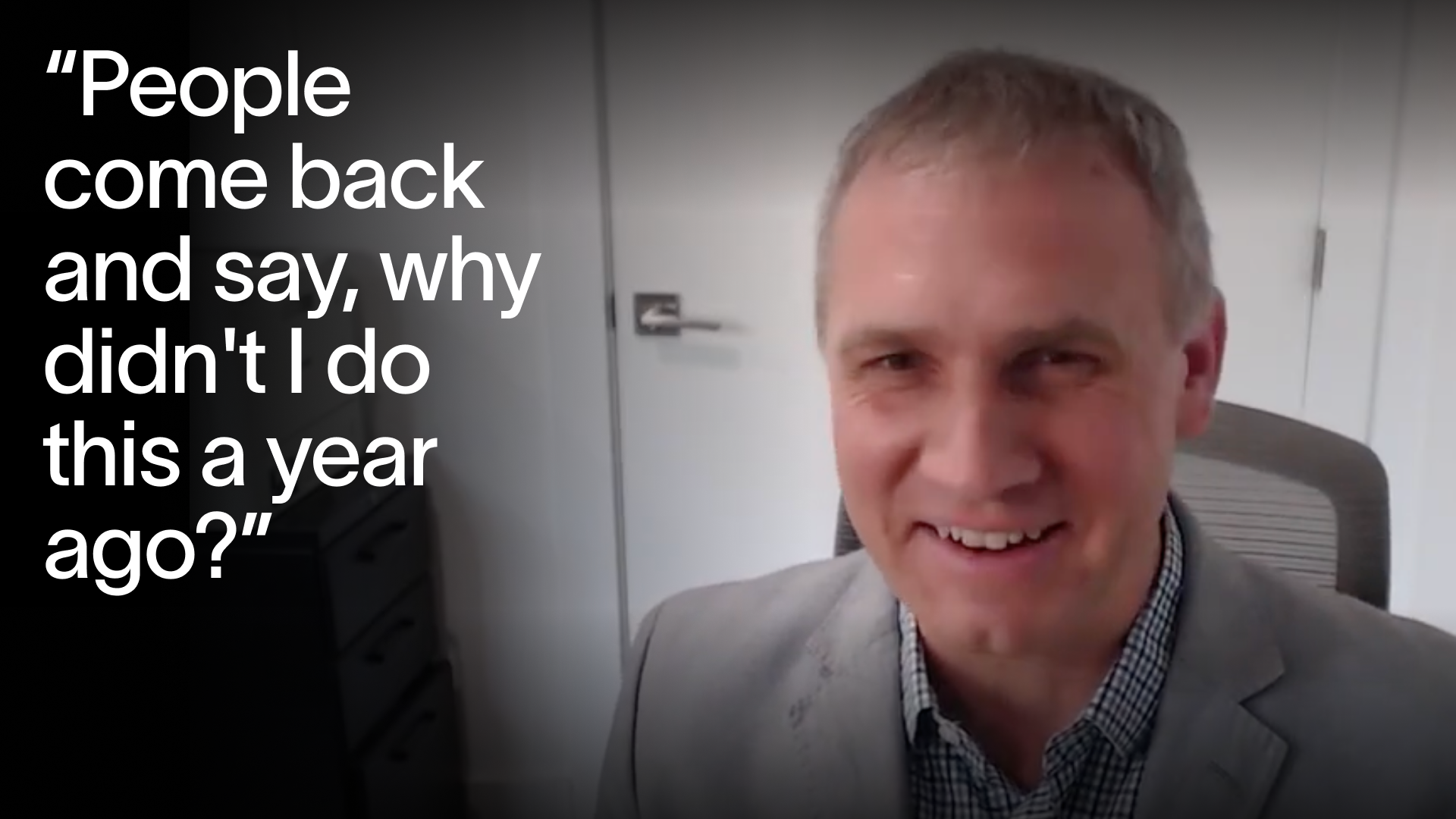
"They also come back with, oh, wow, why didn't I do this a year ago when you first told me about it?" he says.
He frames it as timeline management, not market timing.
"You can't time the market. Seven years is a long time."
What he recommends is the process he ran himself.
"I encourage folks, dive into stuff, do your own due diligence, look at these things," he says. "Look up the companies behind this, who's managing this?"
The Cache Exchange Fund can help.


Heading
Heading 1
Heading 2
Heading 3
Heading 4
Heading 5
Heading 6
Lorem ipsum dolor sit amet, consectetur adipiscing elit, sed do eiusmod tempor incididunt ut labore et dolore magna aliqua. Ut enim ad minim veniam, quis nostrud exercitation ullamco laboris nisi ut aliquip ex ea commodo consequat. Duis aute irure dolor in reprehenderit in voluptate velit esse cillum dolore eu fugiat nulla pariatur.
Block quote
Ordered list
- Item 1
- Item 2
- Item 3
Unordered list
- Item A
- Item B
- Item C
Bold text
Emphasis
Superscript
Subscript
Heading 1
Heading 2
Heading 3
Heading 4
Heading 5
Heading 6
Lorem ipsum dolor sit amet, consectetur adipiscing elit, sed do eiusmod tempor incididunt ut labore et dolore magna aliqua. Ut enim ad minim veniam, quis nostrud exercitation ullamco laboris nisi ut aliquip ex ea commodo consequat. Duis aute irure dolor in reprehenderit in voluptate velit esse cillum dolore eu fugiat nulla pariatur.
Block quote
Ordered list
- Item 1
- Item 2
- Item 3
Unordered list
- Item A
- Item B
- Item C
Bold text
Emphasis
Superscript
Subscript
The Cache Exchange Fund can help.

Make better decisions for managing your large stock positions.
Sign up to receive all our insights and data.
Make better decisions for managing your large stock positions.
Sign up to receive all our insights and data.