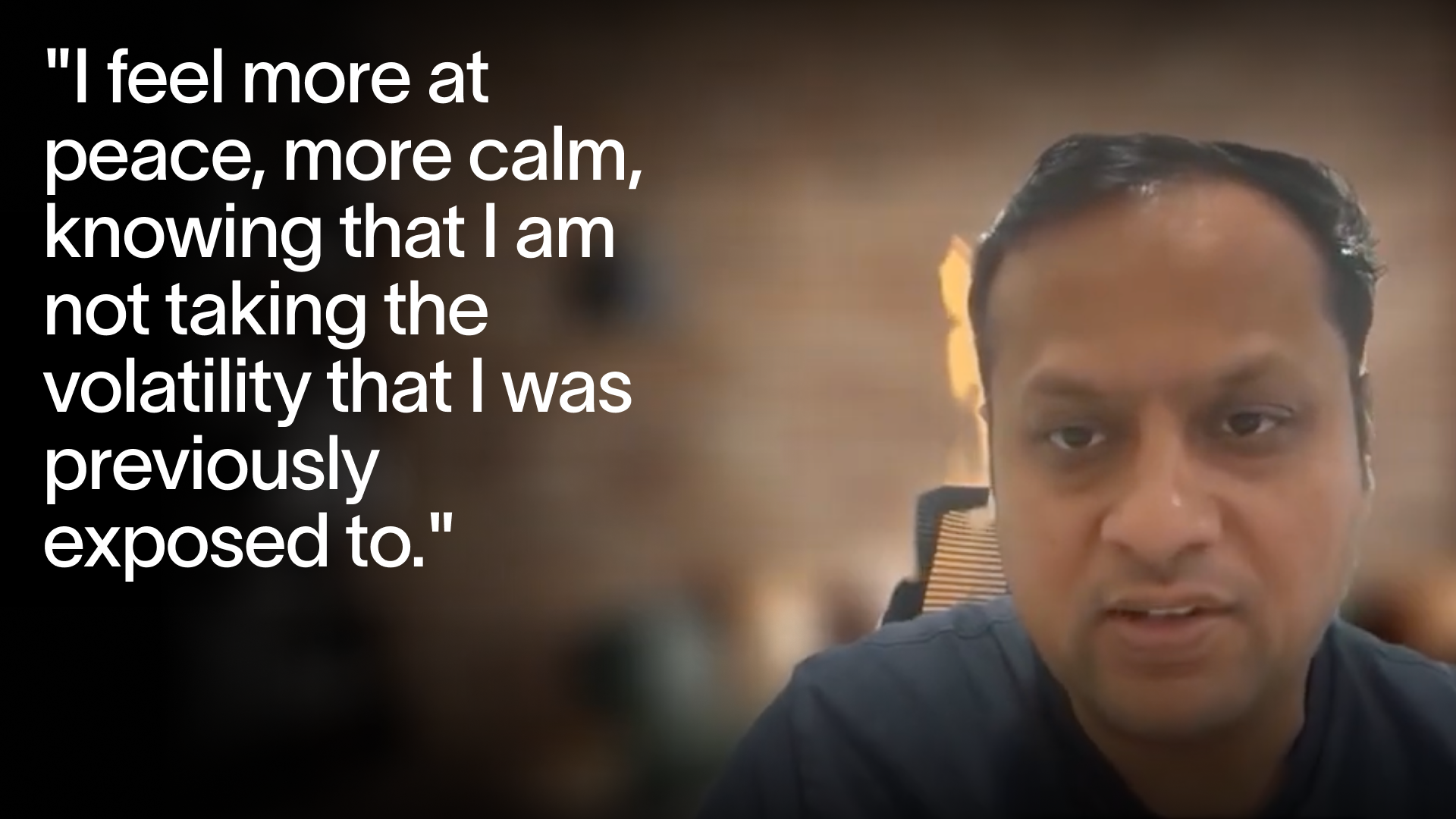






“I Had Become Like a Spokesperson” - Roma on Diversifying Concentrated Tech Positions
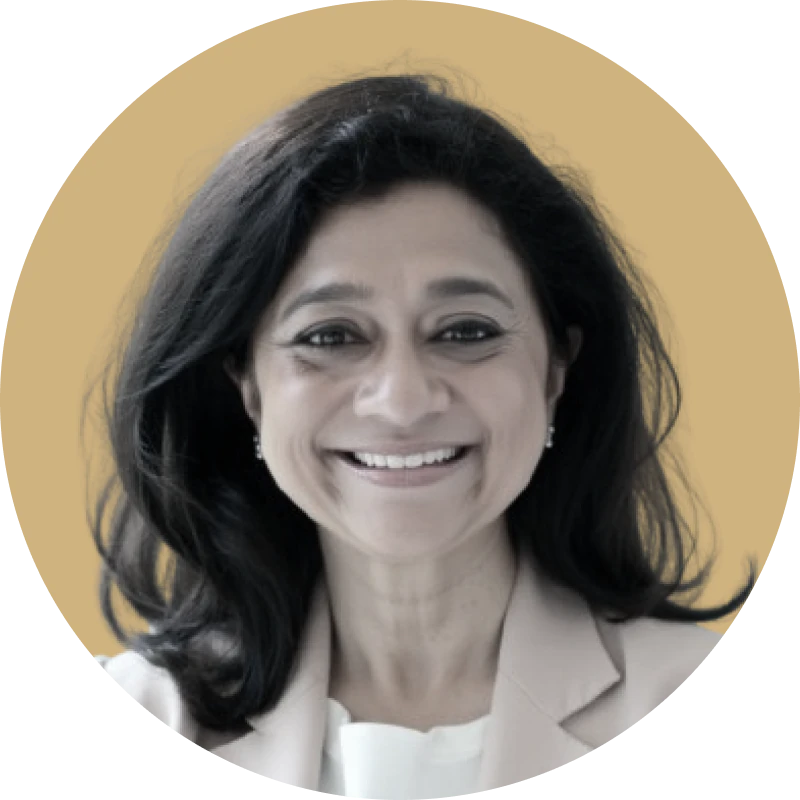
Roma
VP of Product Management · Client
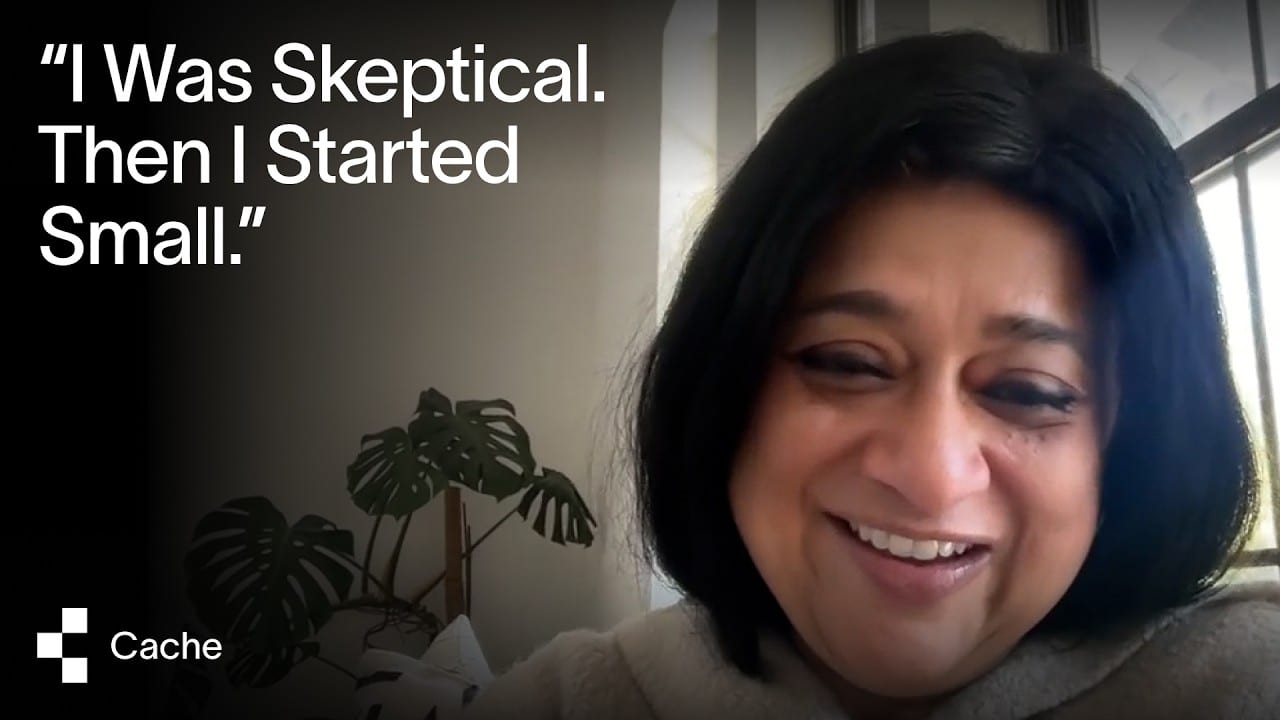

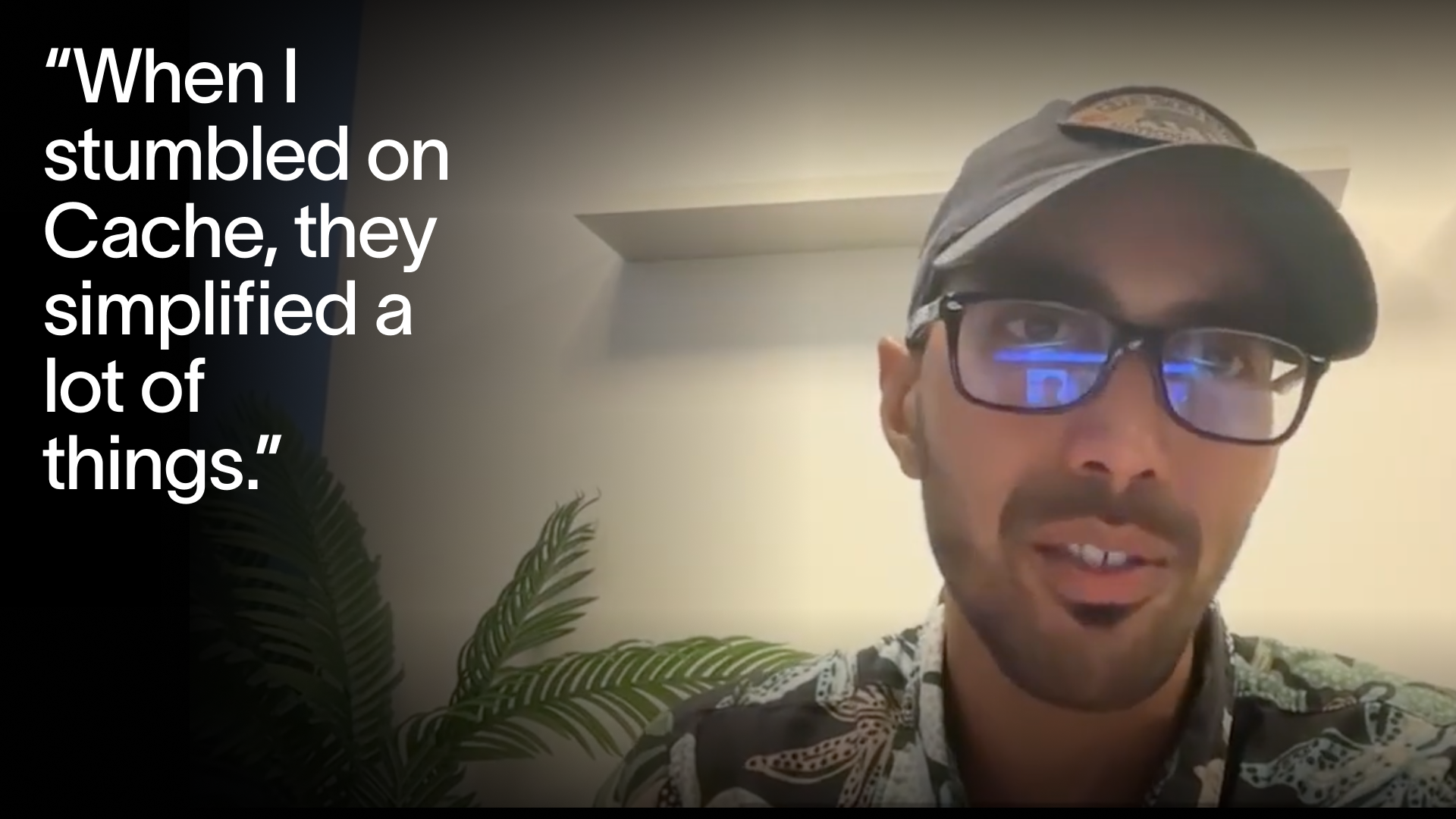
"I hadn't realized, but maybe four months I had become like a spokesperson for Cache," Roma says. "It was really weird for me."
Now a VP of product management, she takes a long view on decisions. Financial planning, for her, happens in decade increments.
"I kind of take a look at it every few years and 2025 just happened to be the year where we were taking a look at what's going to happen in the next decade."
That review surfaced a familiar Bay Area pattern. Success that slowly turns into concentration.
How it built up
"I ended up working for two companies that are part of the Magnificent Seven," she says.
She still holds them.
For a long time, concentration didn't feel like a problem because it was working.
"Being concentrated was actually adding a lot of value," she says. "It was very hard to say, I don't want to be concentrated."
When taxes forced the conversation
What forced the conversation was tax mechanics, not market risk.
"I definitely had some positions where I had to exercise. There was a cliff and a window of time within which I had to do it or actually lose the ability to do so," she says. "So that obviously brought in taxes and that's where the journey started."
What followed wasn't quick. It took over seven years to find a path forward.
When she first looked, the exchange funds available to her had minimums she could not meet.
"The bar for entry when I had first looked at it was extremely high," she says. "And 10 years back, I just was not there."
Exchange funds are open only to accredited investors and qualified purchasers, Cache's included.
She shelved the idea. Until a financial advisor brought it back into view.
Skepticism and a small step
Roma is candid about her first reaction to Cache.
"I kind of went and looked at Srikanth's background, and I was like, hold on, this thing's just been around for a year, and this guy has no finance background," she says. "And so there was a moment of trepidation and unhappiness and doubt. I mean, honestly."
Instead of walking away, she tested it. Speaking about her pre-Cache allocation:
"So I picked a pretty small amount," she says. "[the position] has shown growth. It's time to diversify."
Comfort came partly from familiarity with the underlying holdings.
"So it wasn't something completely off from my comfort zone. And that mattered."
What peace of mind looks like
For Roma, the biggest impact was psychological.
"I didn't want to be in that mode of, okay, I'm in the sinusoidal curve that I go up and down," she says. "And it just adds stress to my life."
Diversification changed that.
"So I feel I'm in a good place. I feel I'll be supported."
She still holds concentrated positions. She still believes in the companies she helped build.
"It was my baby for a long time and I believed in the people. And that's totally fair."
But her planning shifted toward long-term family outcomes.
"Your ability to continue to do that should not be dependent upon a company, one company, its leadership, the external market, competitive positions," she says. "You don't control the leadership, they can get changed. You don't control the market, you don't control the competition."
What she tells others
"The advantage of Cache is you can start small. You don't have to start very big and see how that plays out."
"You've taken a risk by being at a company and you got to this concentrated position," she says. "It's the same bet you're making. It's no different than that. But I think […] it's definitely the right thing for me."
The Cache Exchange Fund can help.


Heading
Heading 1
Heading 2
Heading 3
Heading 4
Heading 5
Heading 6
Lorem ipsum dolor sit amet, consectetur adipiscing elit, sed do eiusmod tempor incididunt ut labore et dolore magna aliqua. Ut enim ad minim veniam, quis nostrud exercitation ullamco laboris nisi ut aliquip ex ea commodo consequat. Duis aute irure dolor in reprehenderit in voluptate velit esse cillum dolore eu fugiat nulla pariatur.
Block quote
Ordered list
- Item 1
- Item 2
- Item 3
Unordered list
- Item A
- Item B
- Item C
Bold text
Emphasis
Superscript
Subscript
Heading 1
Heading 2
Heading 3
Heading 4
Heading 5
Heading 6
Lorem ipsum dolor sit amet, consectetur adipiscing elit, sed do eiusmod tempor incididunt ut labore et dolore magna aliqua. Ut enim ad minim veniam, quis nostrud exercitation ullamco laboris nisi ut aliquip ex ea commodo consequat. Duis aute irure dolor in reprehenderit in voluptate velit esse cillum dolore eu fugiat nulla pariatur.
Block quote
Ordered list
- Item 1
- Item 2
- Item 3
Unordered list
- Item A
- Item B
- Item C
Bold text
Emphasis
Superscript
Subscript
The Cache Exchange Fund can help.


Make better decisions for managing your large stock positions.
Sign up to receive all our insights and data.
Make better decisions for managing your large stock positions.
Sign up to receive all our insights and data.